Udonis Haslem Foundation Brings Youth Together for Mental Health, Connection and Community
September 26, 2026 | Miami Dade College North Campus
On Saturday, September 26, the Udonis Haslem Foundation, in partnership with the DRT Brain Love Foundation and Miami Dade College, brought young people, families, mental health professionals and community organizations together for the 2026 Hope for Tomorrow Youth Suicide Awareness & Prevention Summit.
Centered around the theme “Community Over Clicks | Keeping Humanity in Mental Health,” this year’s summit explored what meaningful connection looks like for young people growing up in a world increasingly shaped by social media, technology and artificial intelligence.
Throughout the day, attendees participated in conversations and interactive experiences focused on mental health, resilience, confidence, emotional intelligence, healthy relationships and the importance of having real people in your corner.
Putting Community Over Clicks
Young people today may be more digitally connected than any generation before them, but online connection does not always translate into meaningful human connection.
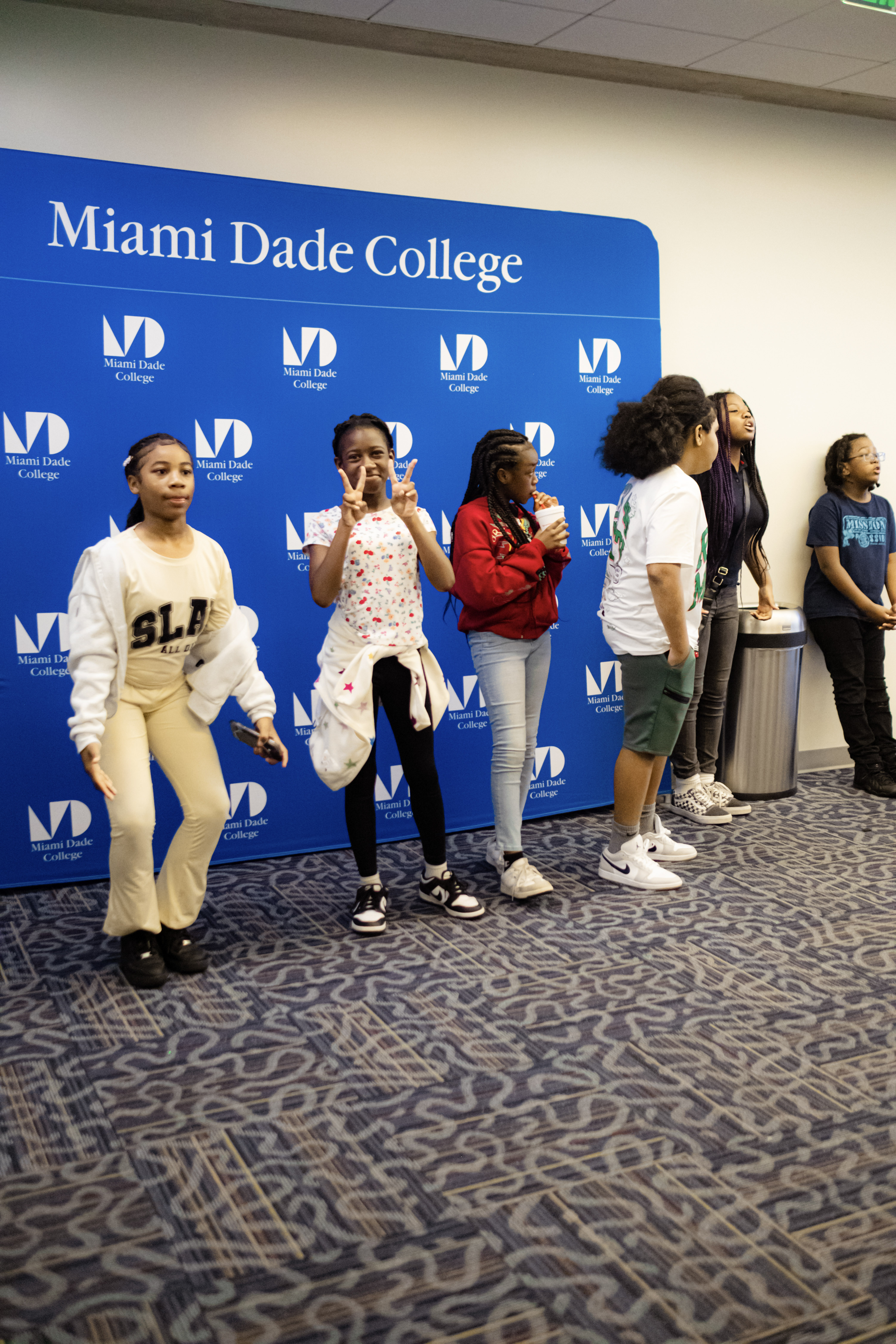
Hope for Tomorrow created a space for youth to step beyond their screens, have honest conversations, learn practical tools for navigating their mental and emotional well-being, and connect directly with professionals and organizations committed to supporting them.
Hosted by Jawan Strader, the summit combined education, conversation and hands-on experiences designed to make mental health programming approachable, engaging and relevant to young people.
Exploring Technology & Mental Health
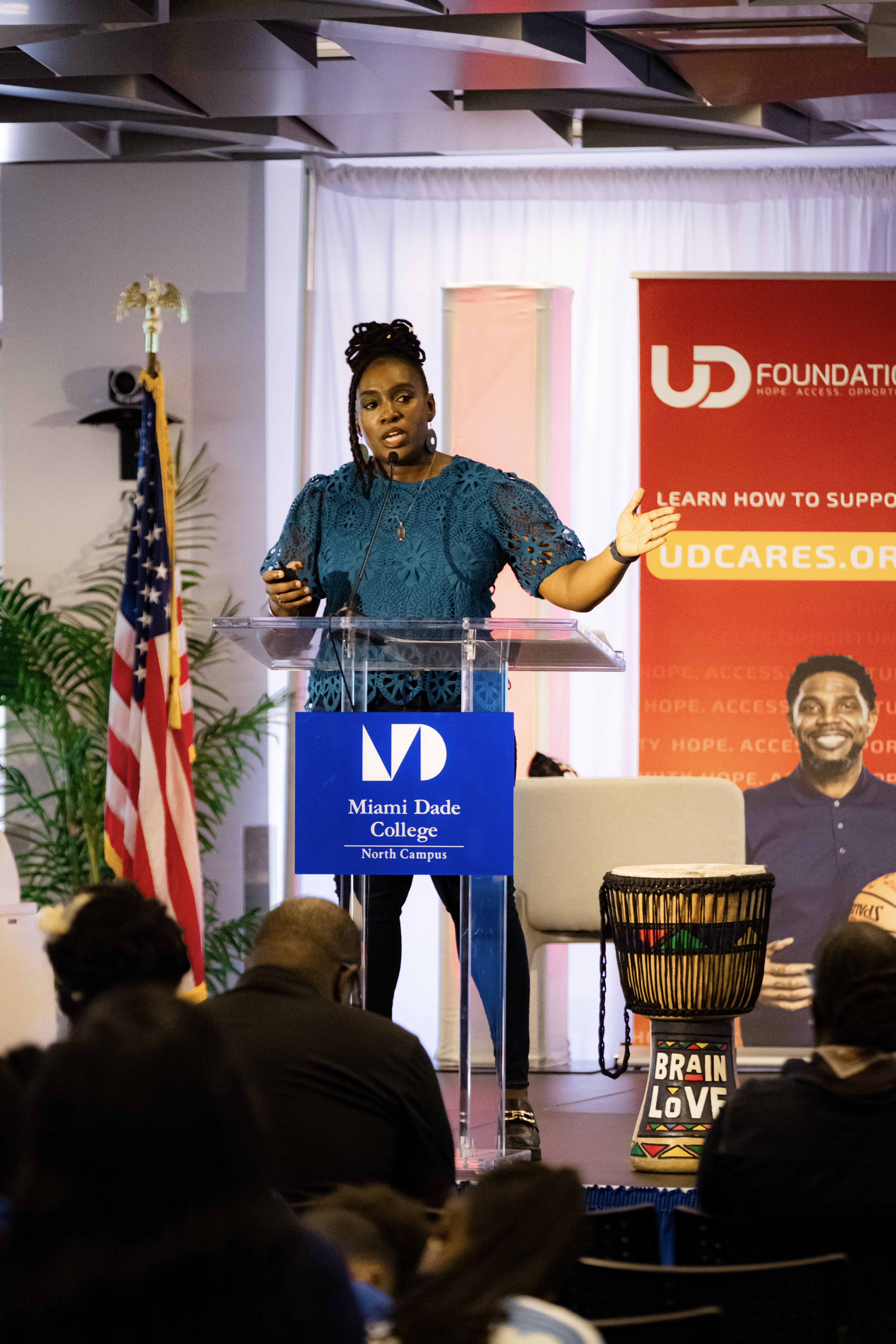
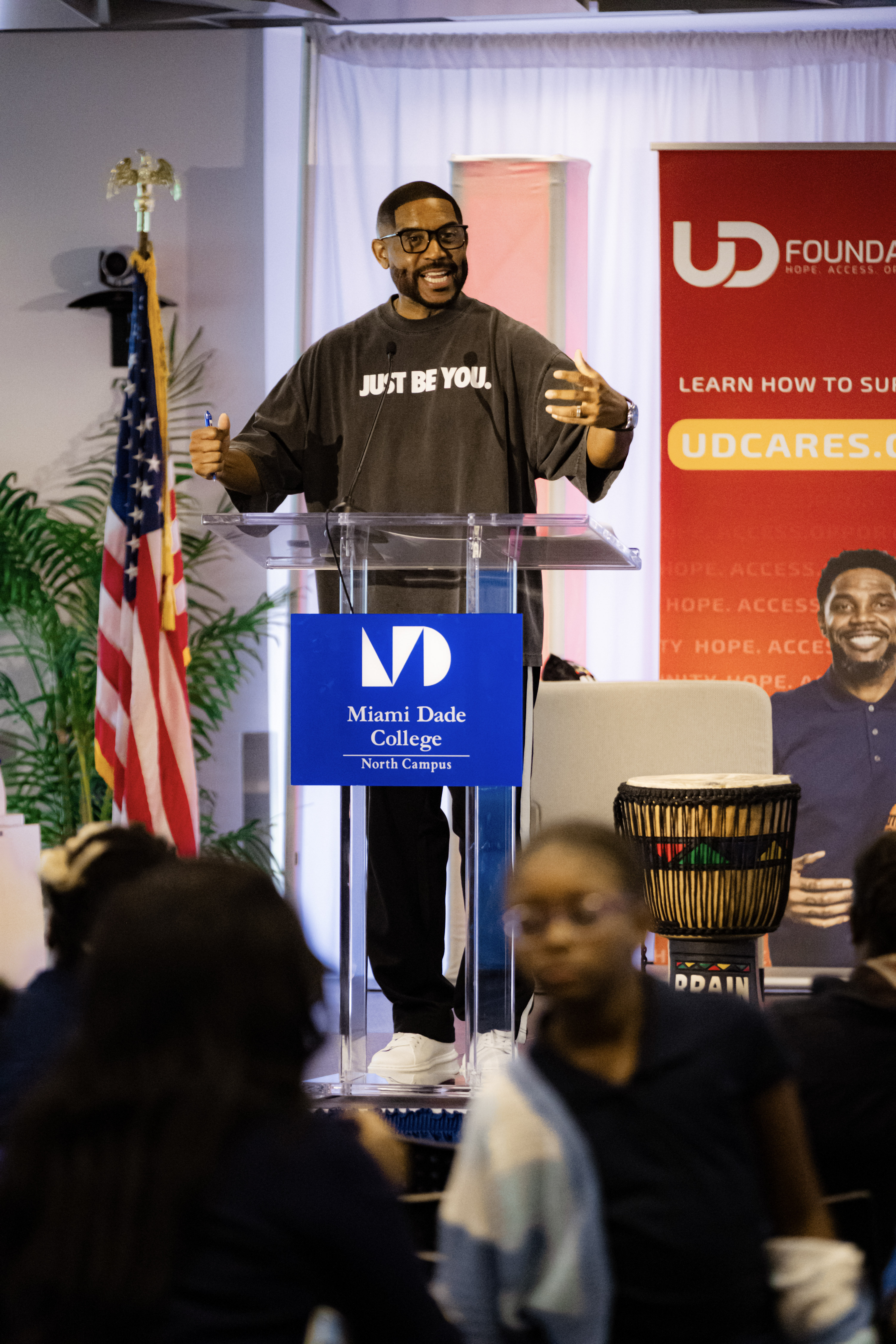
Dr. Melissa “Dr. Mel” Glasgow, a licensed marriage and family therapist and founder of Power of Peace, LLC, served as the summit’s keynote speaker.
Her session explored AI, technology, social media and mental health, helping attendees consider how rapidly evolving technology can affect the way young people communicate, connect and care for their mental well-being.
The conversation directly supported the summit’s Community Over Clicks message: technology can be a powerful tool, but it should never replace authentic human connection.
Conversations Designed for Young People
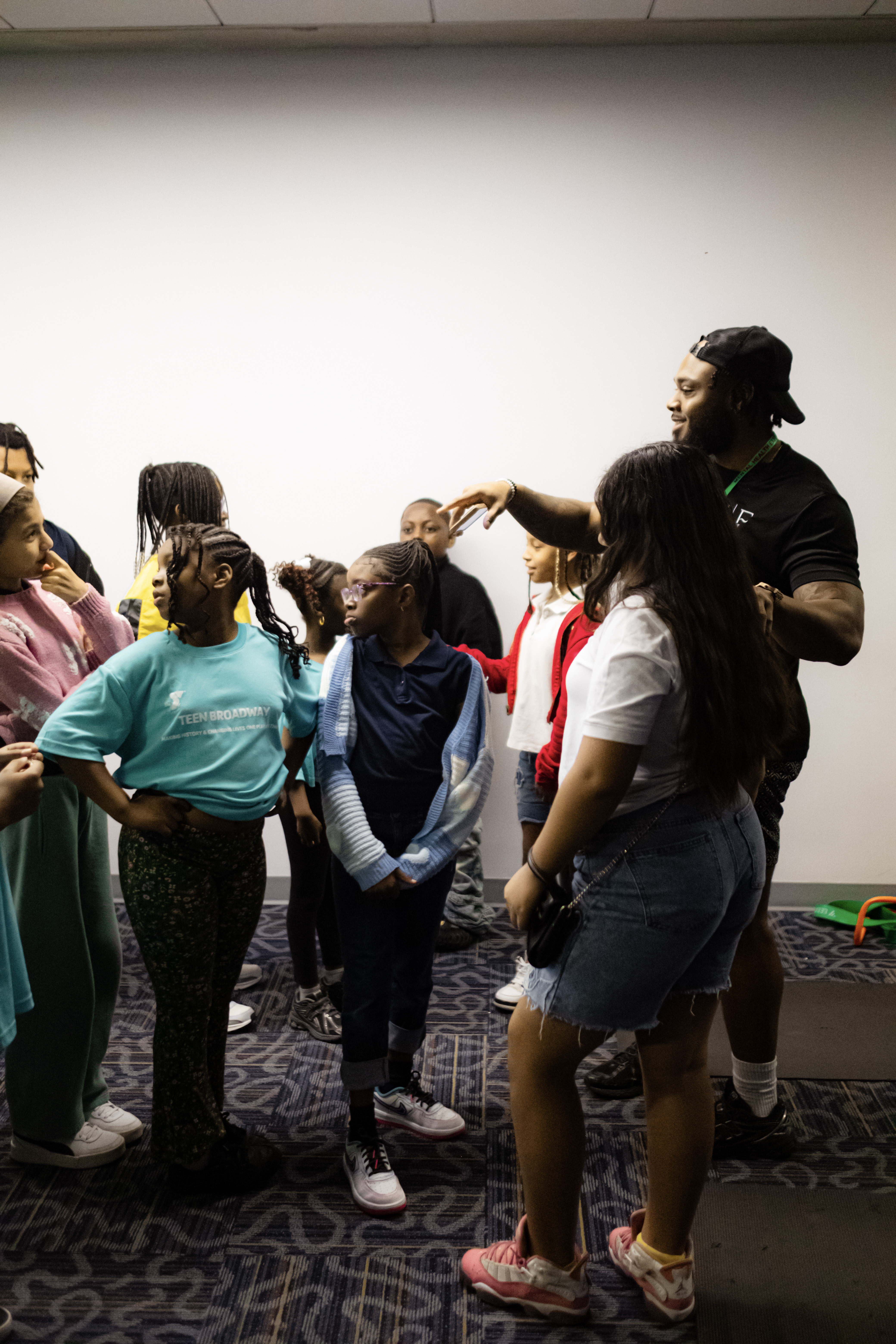
Following the keynote, youth participated in age-based breakout sessions that gave them an opportunity to learn, ask questions and engage in smaller group conversations.
Dr. Tameisha Hinton, PhD led The Connection Lab: Experimenting with What Brings Us Closer, exploring the behaviors and experiences that help create stronger connections.
Coach Justin Wright presented Stand Strong: Building Confidence, Resilience & Healthy Responses, giving young people tools for navigating challenges and responding to difficult situations.
Ashley Carter led The Social Side of Food: How Connection, Culture & Influence Shape the Way We Eat, examining the relationship between food, culture, social influence and well-being.
Delvin Rogers presented Emotional Intelligence: Feel It. Understand It. Control It., helping youth better recognize, understand and manage their emotions.
Together, the sessions gave attendees practical tools they could take with them beyond the summit.
A Community of Resources
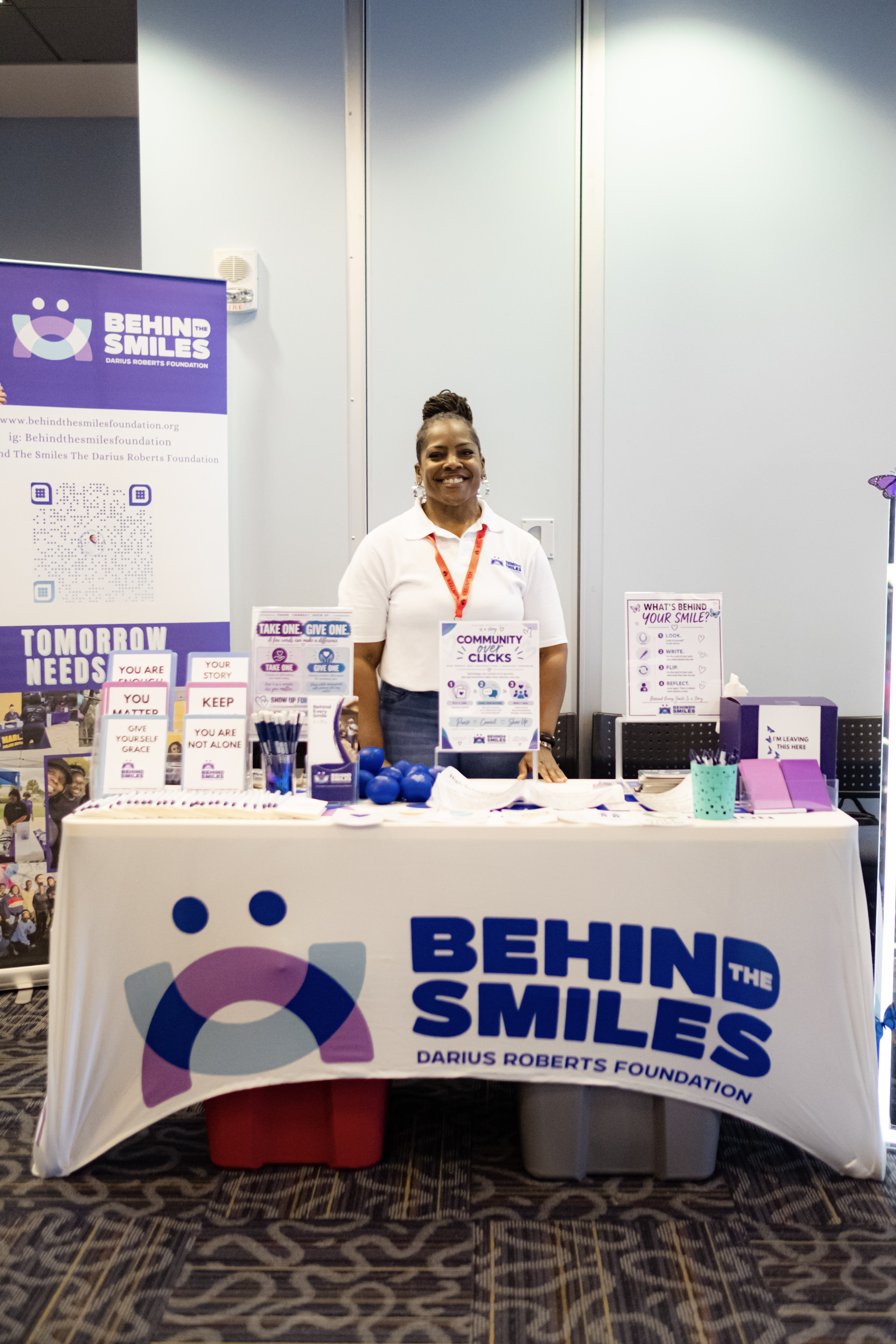
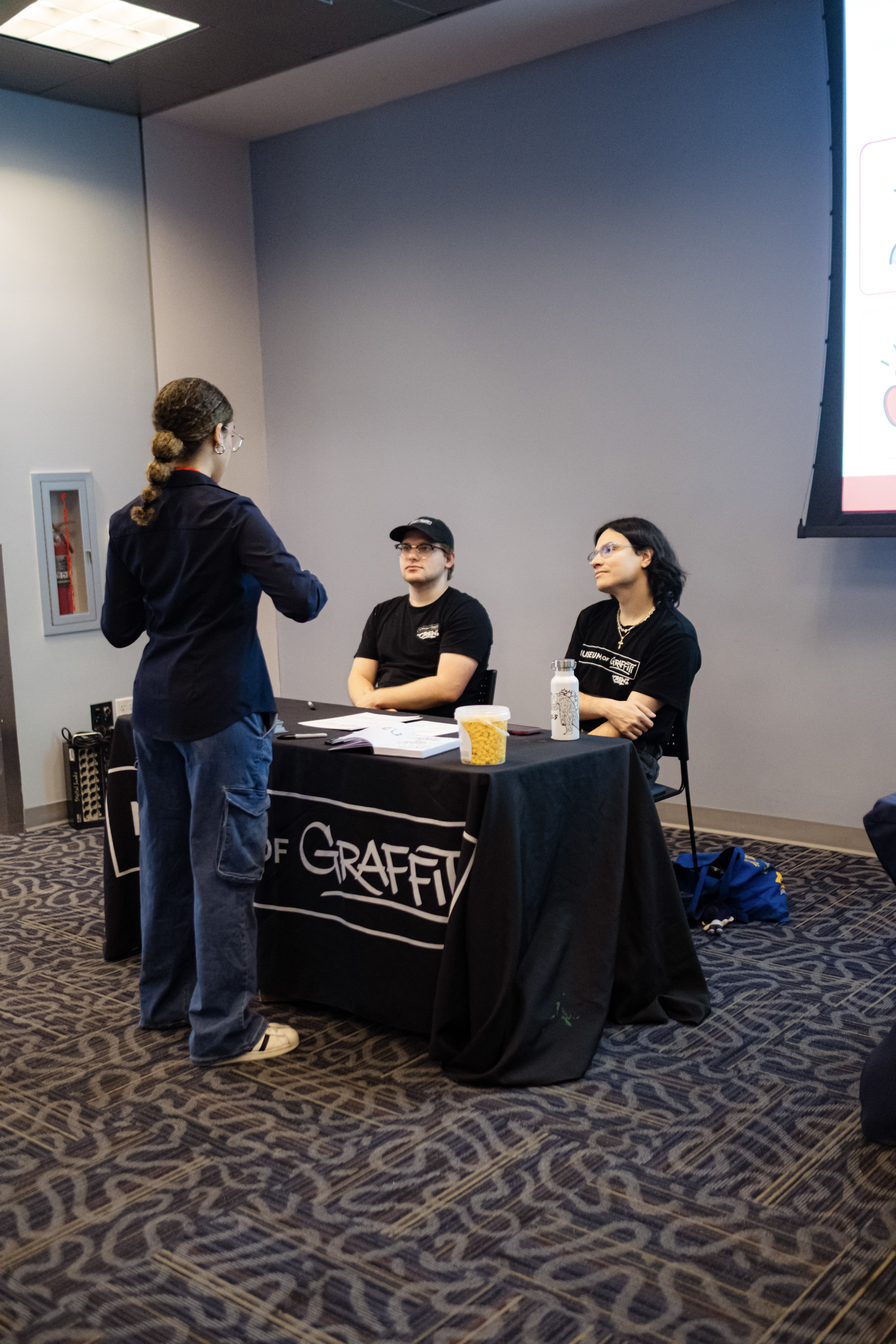
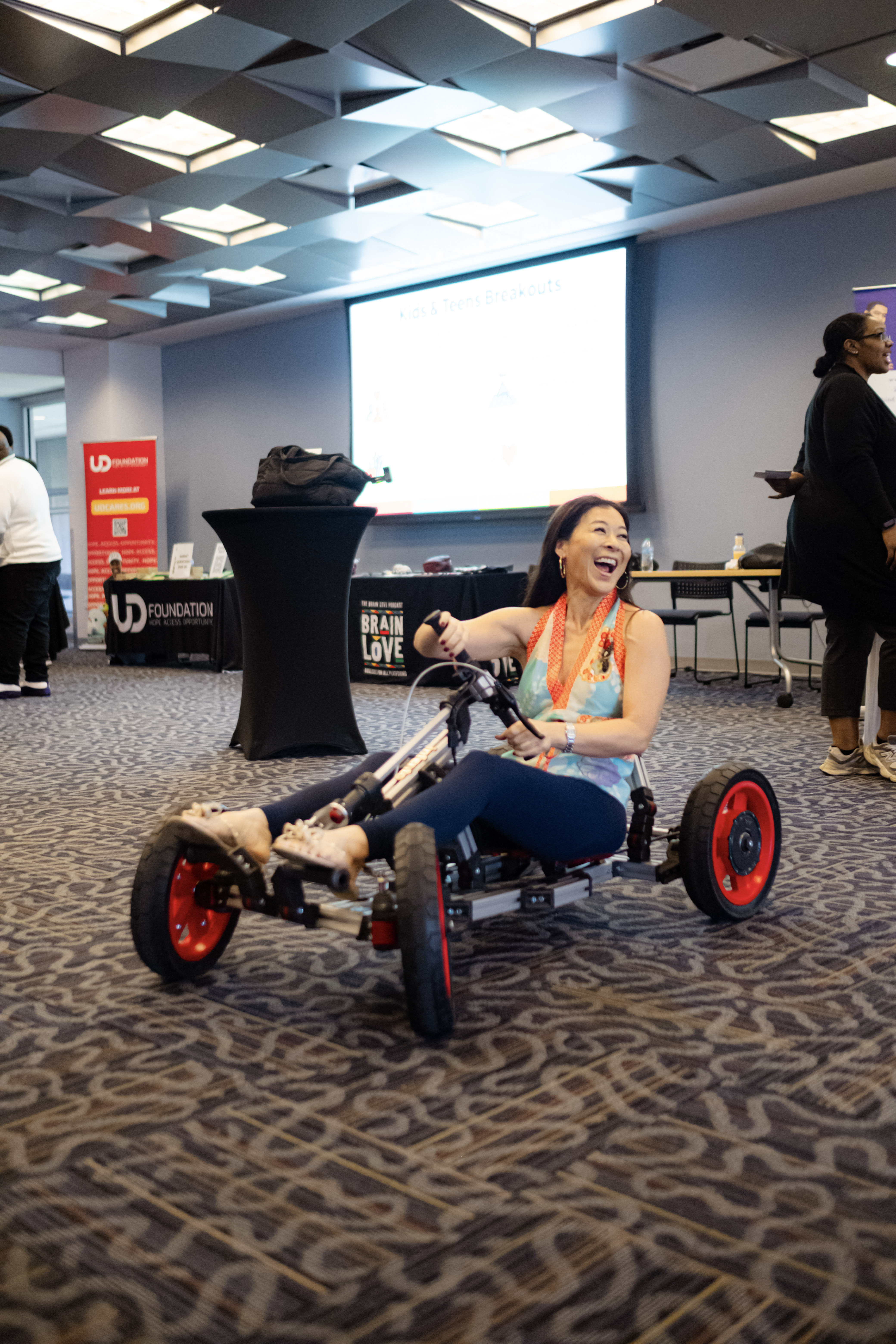
The Hope for Tomorrow Resource Garden transformed mental health education into an interactive experience, connecting young people and families with community organizations, resources and hands-on activities.
Participating organizations included the Museum of Graffiti, Infento, School Pantry Coalition, Little Lighthouse Foundation, Behind the Smiles, and Mothers Against Drunk Driving South Florida.
Activities ranged from live sketching and creative expression with the Museum of Graffiti and hands-on robotics with Infento, to a wellness-focused vision board experience from the School Pantry Coalition and a self-reflection and positive-affirmation activation from Behind the Smiles.
These experiences gave young people different ways to explore wellness, creativity, personal goals and connection while also introducing families to organizations and resources available within their community.
A Conversation with Udonis Haslem
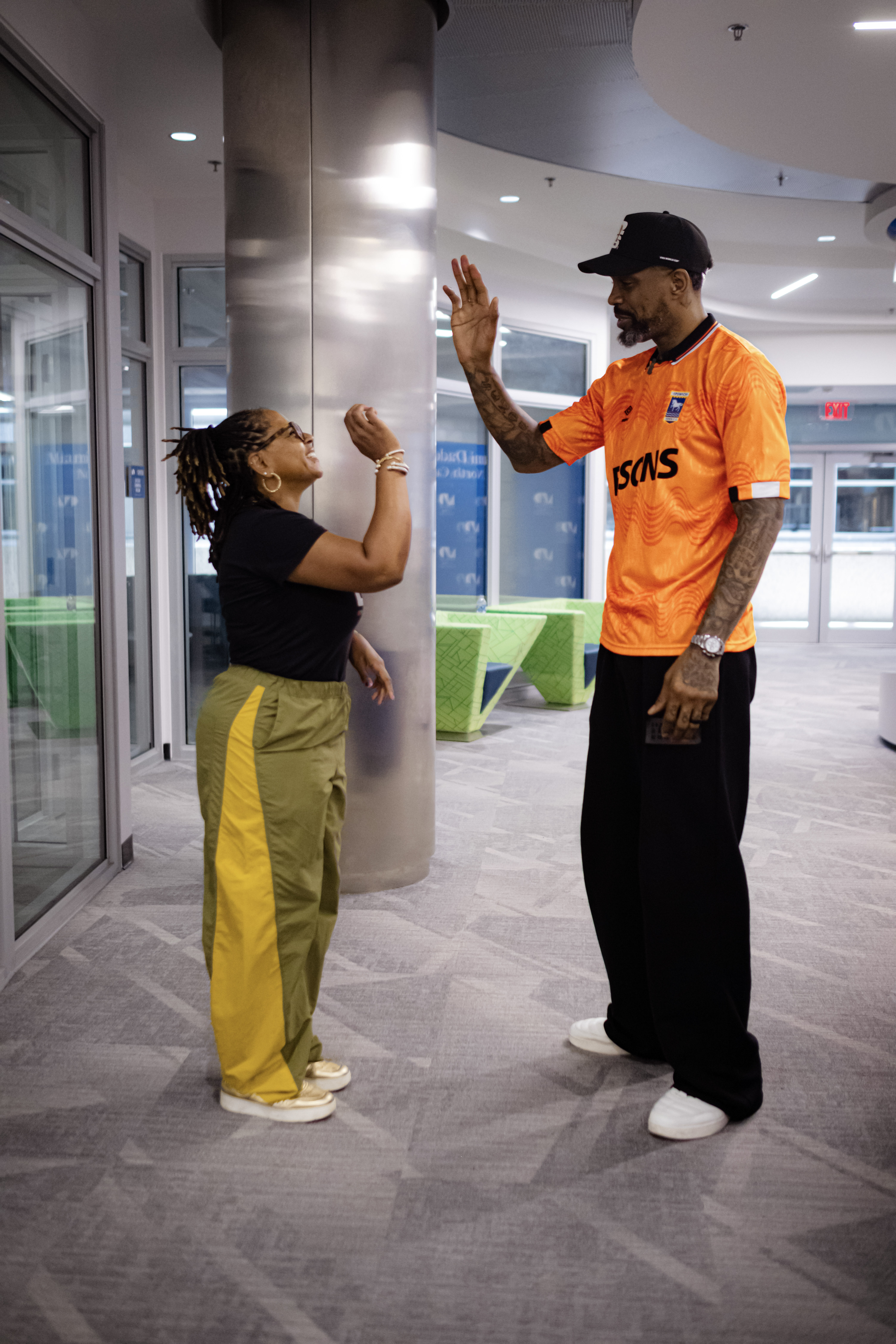
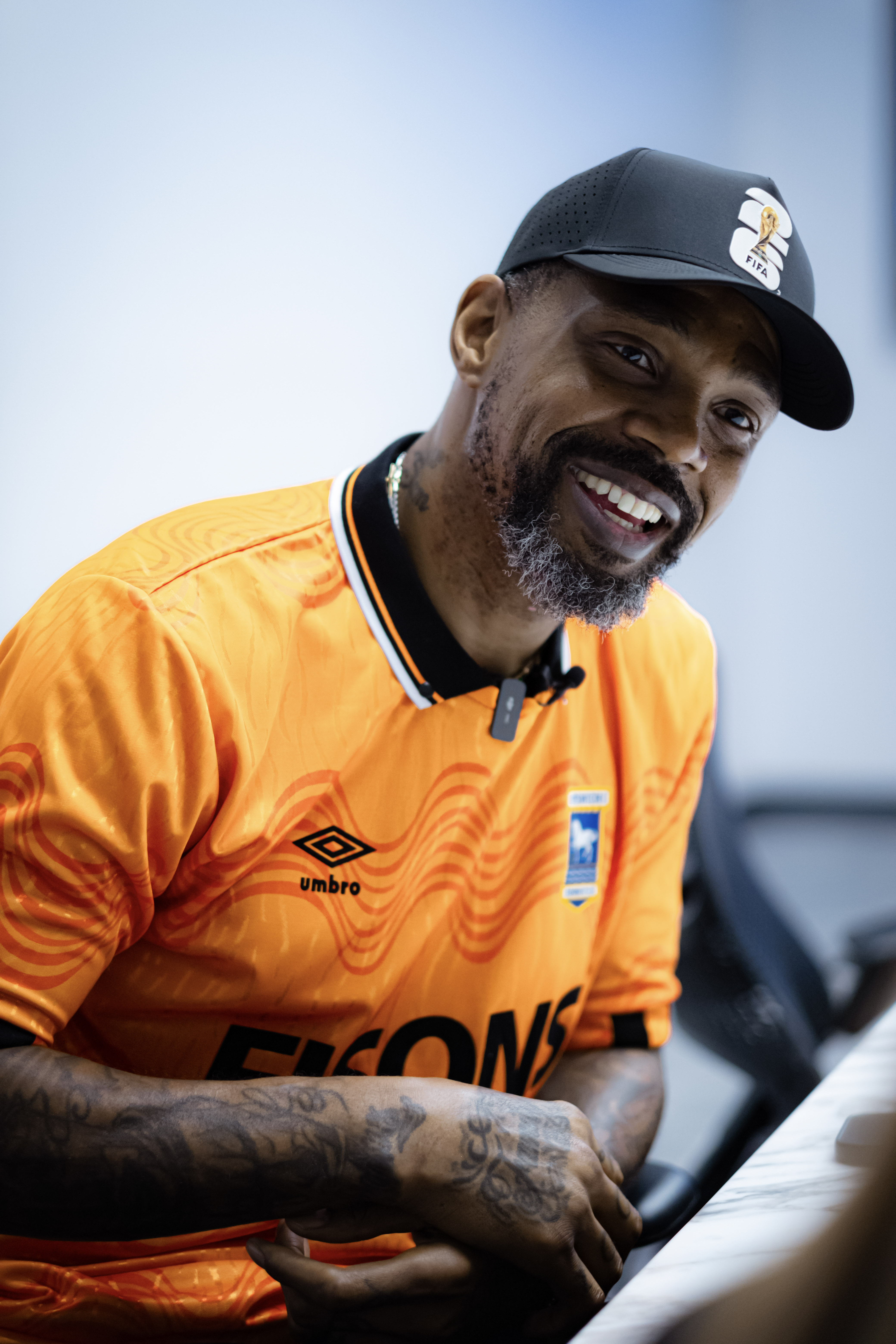
The summit concluded with a fireside conversation featuring Udonis Haslem and Dr. Delvena Thomas, creating an opportunity for young people to hear directly from Haslem and engage in a conversation centered on mental health, resilience and the importance of community.
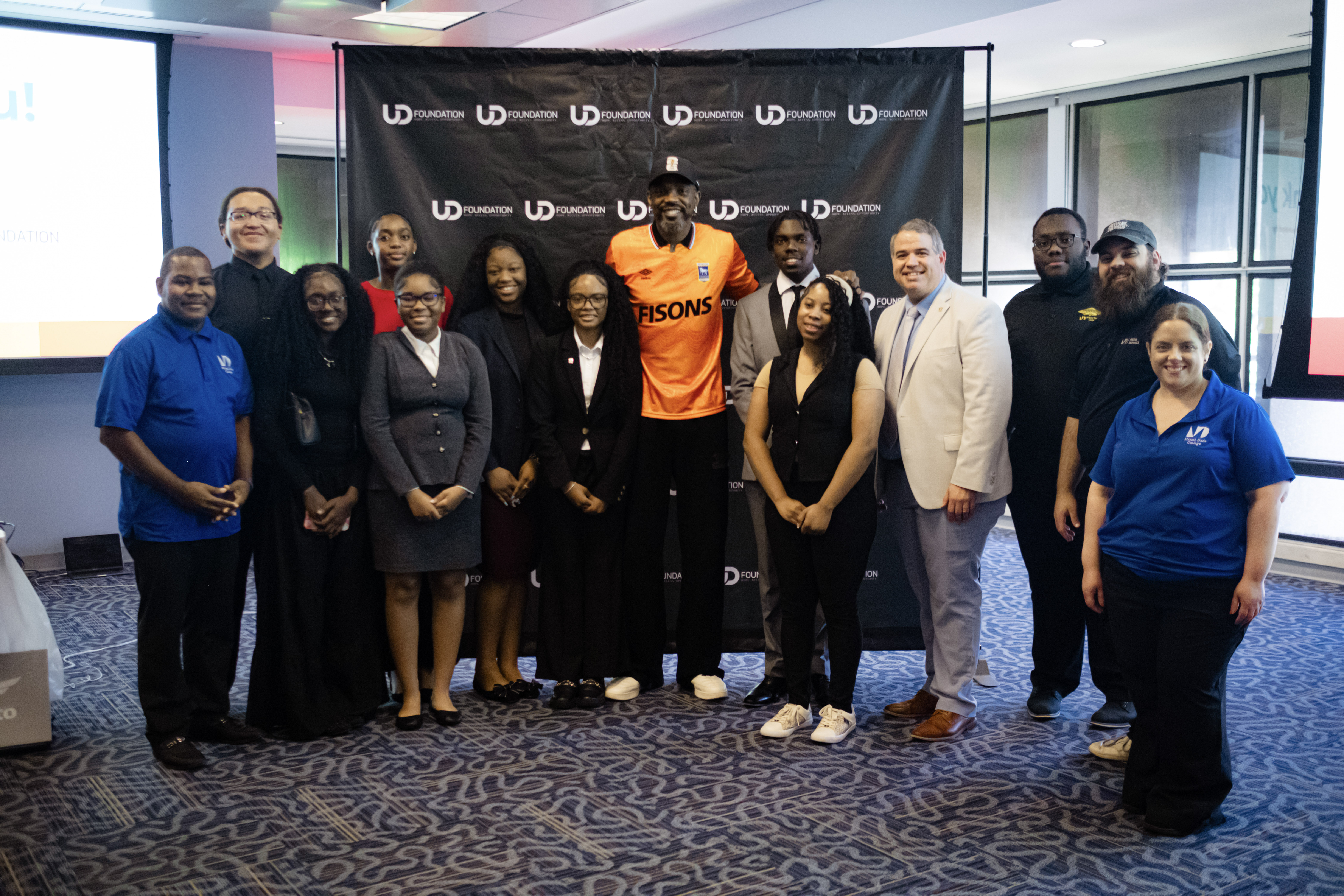
Attendees also had an opportunity to participate in a Q&A and close out the day with group photos with Haslem.
The conversation reinforced a message that carried throughout the summit: asking for help, checking on the people around you and showing up for one another are signs of strength.
Investing in the Next Generation
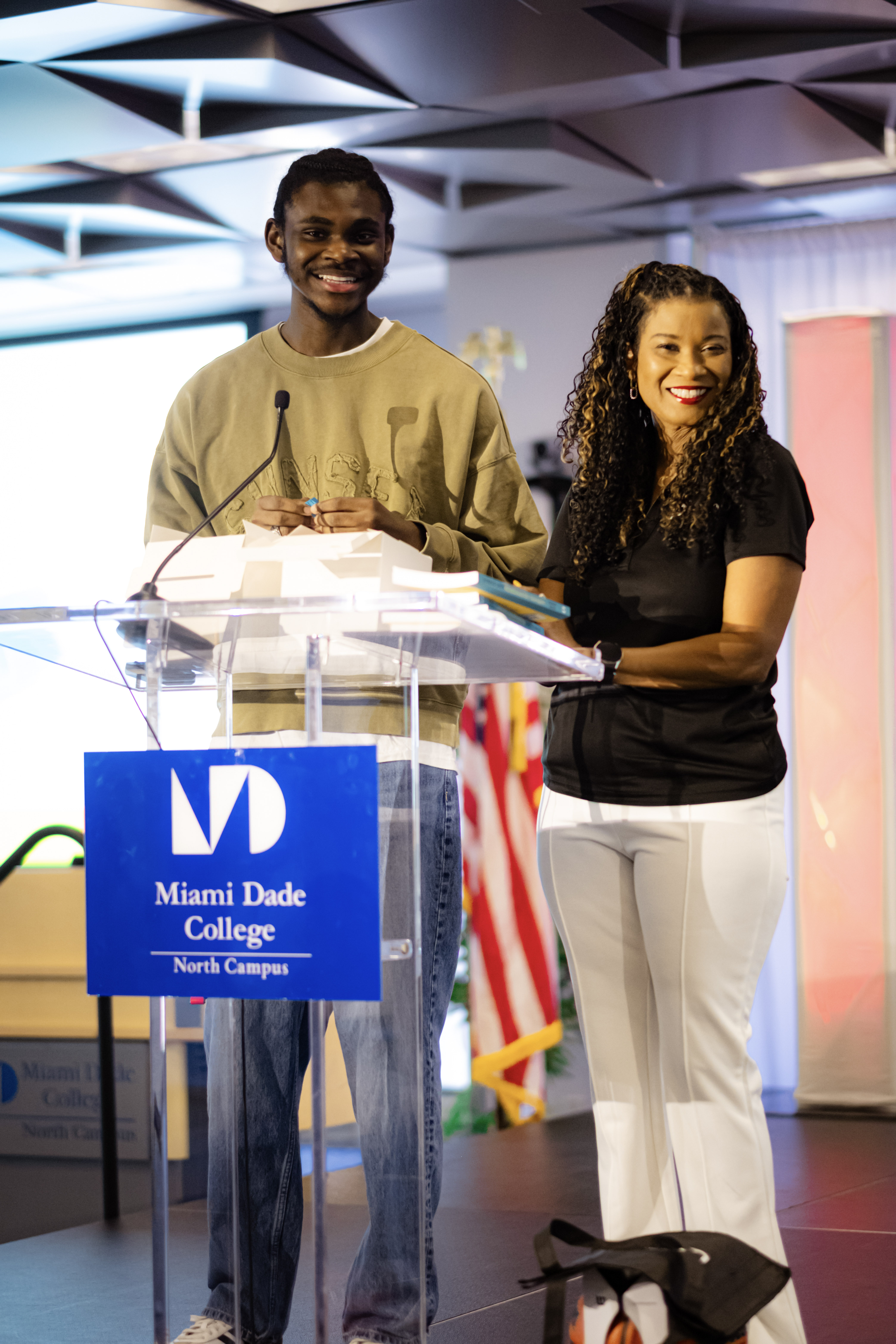
The program also highlighted the Udonis Haslem Foundation’s commitment to creating hope, access and opportunity for South Florida youth.
Breindel Marcelus, a recipient of the Foundation’s BDJ40 Scholarship, joined the program to share his story. A graduate of Barbara Goleman Senior High School and Miami Dade College student studying psychology, Marcelus plans to pursue a career in psychiatry and use his education to help people facing mental health challenges feel heard, understood and supported.
His participation connected the day’s mental health conversation with the Foundation’s broader mission of investing in young people and helping them turn their experiences and aspirations into purpose.
Made Possible Through Partnership
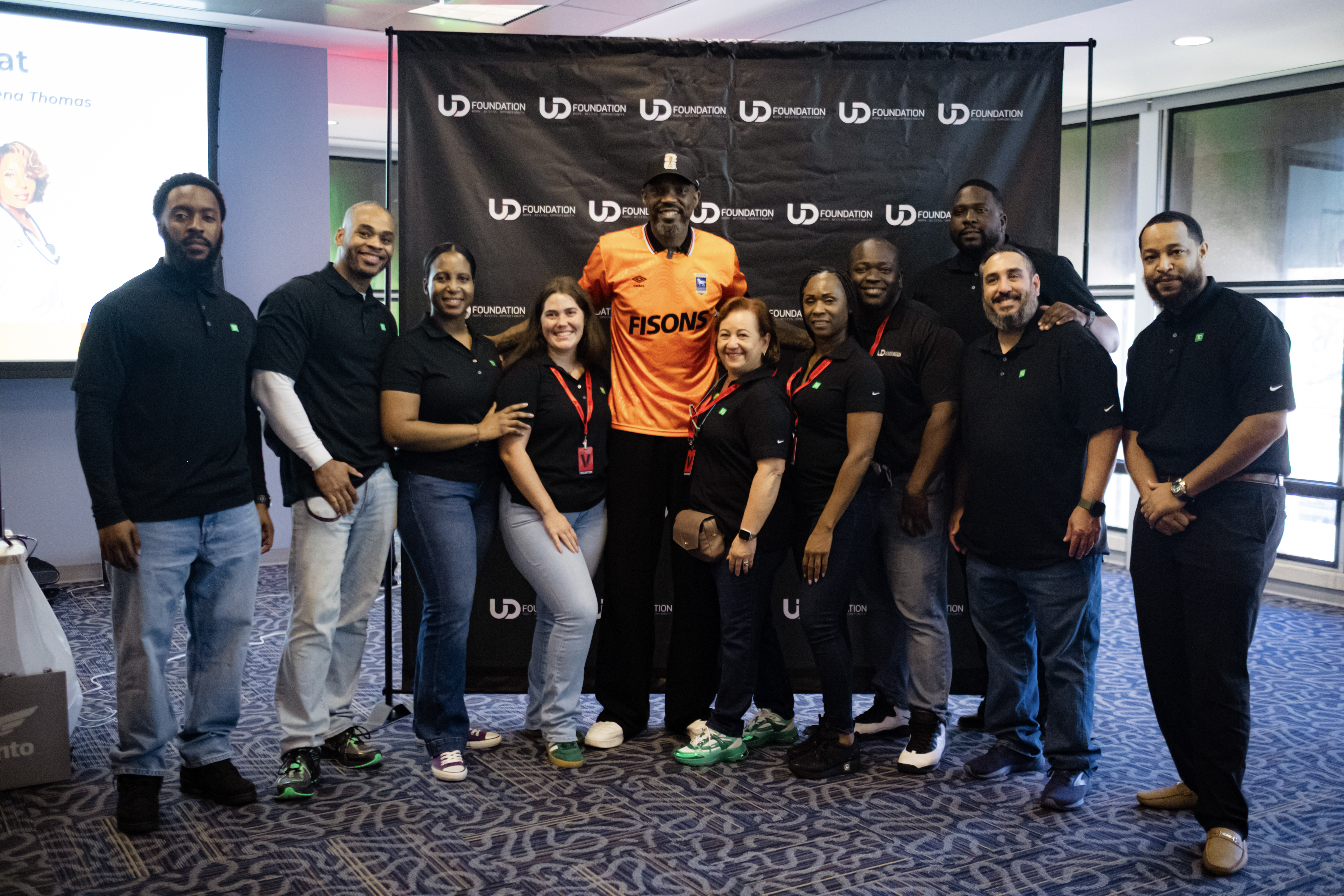
Hope for Tomorrow was made possible through the support and collaboration of organizations committed to the well-being of South Florida youth.
The Udonis Haslem Foundation extends its gratitude to TD Bank and the Mayo Family Foundation for supporting this year’s summit, as well as Fly $upply Clothing for its in-kind support.
Special thanks also go to DRT Brain Love Foundation, Miami Dade College, our speakers and breakout session leaders, Resource Partners, volunteers, participating schools and programs, families, and every young person who showed up and took part in the conversation.
Because creating healthier communities starts with something simple: showing up, checking in and choosing community over clicks.